

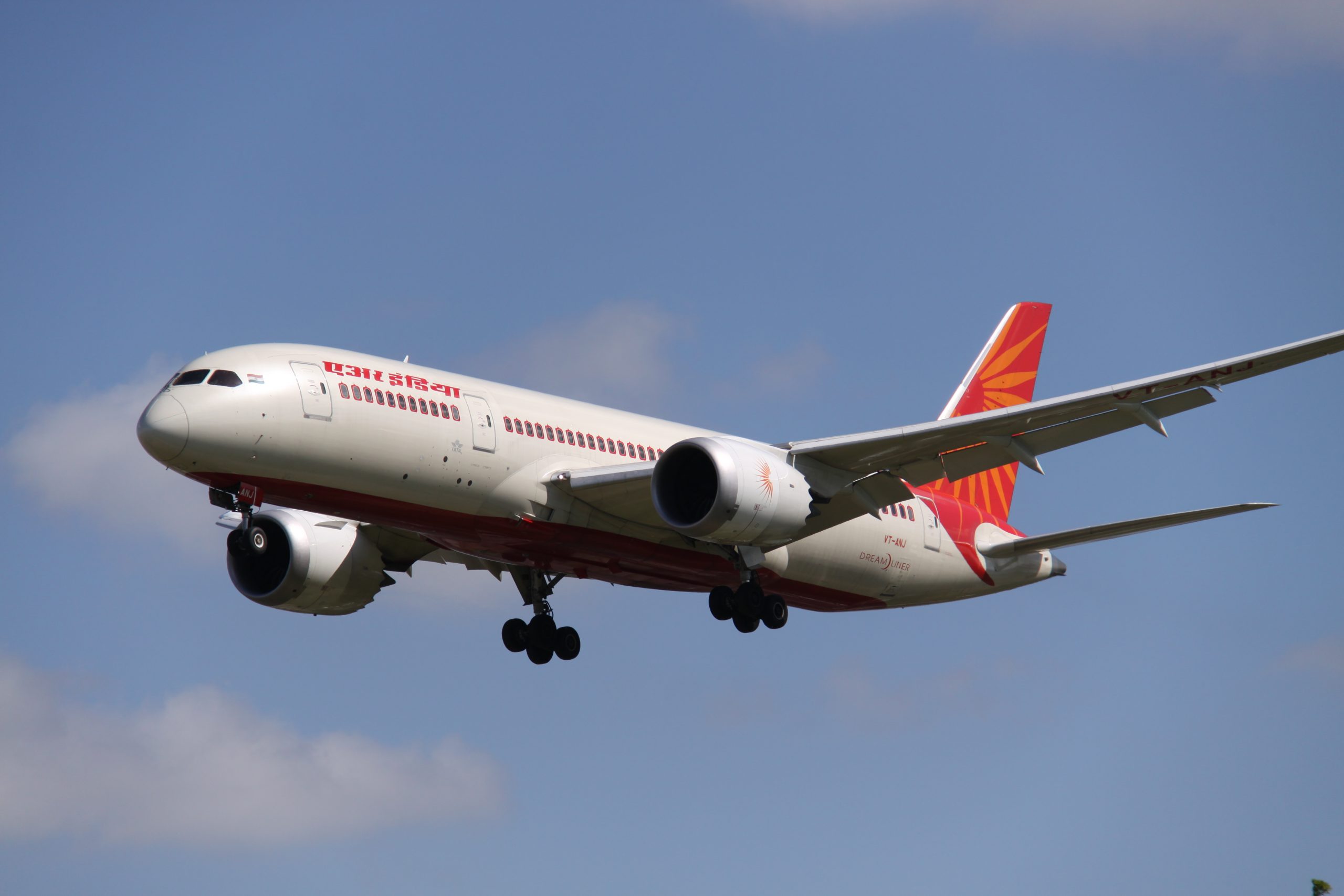
Air India’s new CEO, Tewolde Gebremariam, is shifting the airline’s focus towards cost discipline, closer integration with Air India Express and a more resilient network. The ambition is substantial. The harder task will be turning organisational changes and savings targets into a consistently better airline.
The Air India turnaround is entering a different phase.
Air India has spent years ordering aircraft, refurbishing cabins and investing in infrastructure. It has also integrated several airline businesses. Now, under new CEO and Managing Director Tewolde Gebremariam, the focus is shifting. The group must make those investments work efficiently and profitably.
At an employee town hall on 25 November, Gebremariam set out three priorities. He wants to reduce costs, improve operations and develop new revenue sources. The headline target is ₹6,000 crore in savings.
However, the plan goes beyond savings. Air India wants closer management coordination with Air India Express. It is also reviewing the roles of its Indian hubs and exploring businesses beyond passenger flights.
Taken together, these measures suggest that the next stage of Air India’s turnaround will be judged less by the scale of its expansion and more by how effectively it runs what it has built.
The ₹6,000 crore question
Air India’s financial position explains the urgency.
The group reported a consolidated loss of ₹22,238 crore in FY2026. Several pressures have weighed on its performance. These include the June 2025 crash, Pakistani airspace restrictions and disruption linked to the Middle East conflict. Higher fuel bills and a weaker rupee have also increased costs denominated in US dollars.
Gebremariam has set a target of ₹6,000 crore in savings. Reports following the town hall say Air India has already achieved about ₹1,500 crore in savings. The airline has also identified another ₹3,500 crore in potential savings.
The Hindu reported two further goals: a 20% reduction in non-fuel costs and a 5% reduction in fuel costs. However, Air India has not publicly set a firm deadline for the full ₹6,000-crore target.
This distinction matters. Savings already achieved are not the same as opportunities identified or savings still to come. An identified opportunity does not automatically become a recurring cost reduction. Air India must now deliver lasting savings without weakening aircraft reliability, customer service, employee capability or future growth.
Employees have also submitted more than 1,500 ideas to improve efficiency and cut costs. This suggests Air India wants the programme to involve the whole organisation, rather than rely only on departmental budget cuts.
One Air India Group, but two airlines

One of the most consequential announcements is the move towards a unified management structure for Air India and Air India Express.
The concept is being described as One Air India Group. It does not mean that the two airlines are becoming one operating carrier.
Both will retain their separate Air Operator Certificates (AOCs), airline identities and distinct market positions. Air India will continue to focus on full-service operations, while Air India Express remains the group’s low-cost airline.
The proposed change is primarily about how the businesses are managed behind the scenes.
For example, the group expects finance, human resources and information technology to work more closely. The airlines may also share capabilities and build centres of excellence where this makes commercial and operational sense.
However, each airline will retain its own customer-facing, operational and regulatory responsibilities. The group cannot merge flight operations or other functions that require separate airline accountability simply by changing its corporate structure.
The management structure is also being reshaped. Air India’s management committee is being recast as the Air India Management Team, with Air India Express CEO-designate Deepak Rajawat joining the wider group leadership structure. New group-level roles include a Group Strategy Officer and a Chief of Training Academy.
The logic is straightforward: retain two brands serving different market segments, but reduce unnecessary duplication in the organisation supporting them.
The challenge will be execution. Shared services can reduce overheads, but they can also create slower decision-making if accountability is unclear. Air India will need to establish where group-wide control adds value and where individual airline autonomy remains essential.
A different role for Delhi, Mumbai and Bengaluru
Air India’s network strategy is also being reconsidered.
Pakistani airspace restrictions have complicated several westbound routes for Indian carriers. As a result, some flights must take longer routes. That can increase flying time and fuel use, while making aircraft schedules harder to manage.
Reports indicate that Air India plans to route more westbound connecting traffic through Mumbai. Delhi, meanwhile, is expected to retain a stronger role for eastbound connections. The group is also considering Bengaluru as part of a more distributed hub structure over the longer term.
The objective is not simply to move flights between airports. It is to make the network more resilient to external disruption and reduce the operational penalties associated with constrained airspace.
Geography alone does not make a successful hub. Air India must also consider connecting schedules, aircraft utilisation, passenger demand and airport capacity. Equally important is each hub’s ability to recover from disruption.
A stronger multi-hub model could give Air India greater flexibility. It will also require careful coordination to avoid fragmenting connecting traffic or creating additional complexity for passengers.
Looking beyond passenger flights
Air India also wants to earn more from businesses beyond passenger flights. These initiatives could diversify revenue, although each will need a clear commercial case.
A dedicated cargo business
Air India is exploring a dedicated freighter operation to capture more of the cargo market. A larger cargo business could make better use of the group’s international network and create revenue opportunities beyond the passenger cabin.
The precise fleet, operating model and launch timeline have not been confirmed. Any freighter strategy will need to be assessed against aircraft availability, conversion economics, cargo demand and the cost of operating a separate business.
Holiday packages and tour operations
The group is considering an in-house tour operator. It could sell holiday packages to Indians travelling overseas and to international visitors coming to India.
By combining flights with hotels and ground services, Air India could capture more of the travel value chain. The business could also create another sales channel for the airline’s network.
Training could provide another source of income. Air India plans to bring its training activities together under a group aviation academy. In time, the academy could offer services to other airlines and aviation businesses.
These initiatives are at different stages of development. They should be viewed as areas under consideration or planned development, not as established revenue businesses.
What does this mean for passengers?

For passengers, network and operational changes are likely to matter first. The new management structure, by itself, will not change the travel experience overnight.
A more resilient network could reduce disruption caused by airspace restrictions. It could also improve aircraft use and connections. Over time, closer coordination between the airlines may bring further benefits to passengers.
But the One Air India Group announcement does not, by itself, confirm changes to fares, baggage allowances, check-in procedures, loyalty benefits or the onboard product. Air India and Air India Express remain separate airlines, and passengers should continue to check the operating carrier and the conditions attached to their booking.
Ultimately, the measures that matter most to customers remain familiar: safe and reliable operations, clean aircraft, punctual departures, dependable baggage handling and consistent service.
The next phase will be about delivery
Air India has invested heavily in aircraft, cabins, technology, training and infrastructure. However, investment and expansion alone cannot create a sustainable airline. The new programme recognises that the group must also improve how it operates.
The ₹6,000 crore target sets an ambitious financial goal. Meanwhile, the One Air India Group structure aims to capture scale while keeping the full-service and low-cost airlines distinct. Network changes should make operations more resilient. Cargo, holidays and training could also broaden the group’s revenue base.
None of these measures will deliver results simply because they have been announced.
Air India now has to demonstrate that shared management can reduce costs without adding bureaucracy, that network changes improve reliability without weakening connectivity, and that new businesses can generate returns rather than become another layer of complexity.
The next chapter of Air India’s turnaround will not be defined by how much the airline announces. It will be defined by how consistently it delivers.
Sources and further reading
- The Economic Times / Bloomberg – Air India’s $650 million cost-cutting plan
- The Hindu – Air India CEO sets ₹6,000 crore cost-saving target
- Swarajya – Air India targets ₹6,000 crore cost cuts in FY27
- India Today – Air India shifts west-bound traffic to Mumbai
- Singapore Airlines – Strategic Investment in Air India, Q2 FY2026/27 presentation